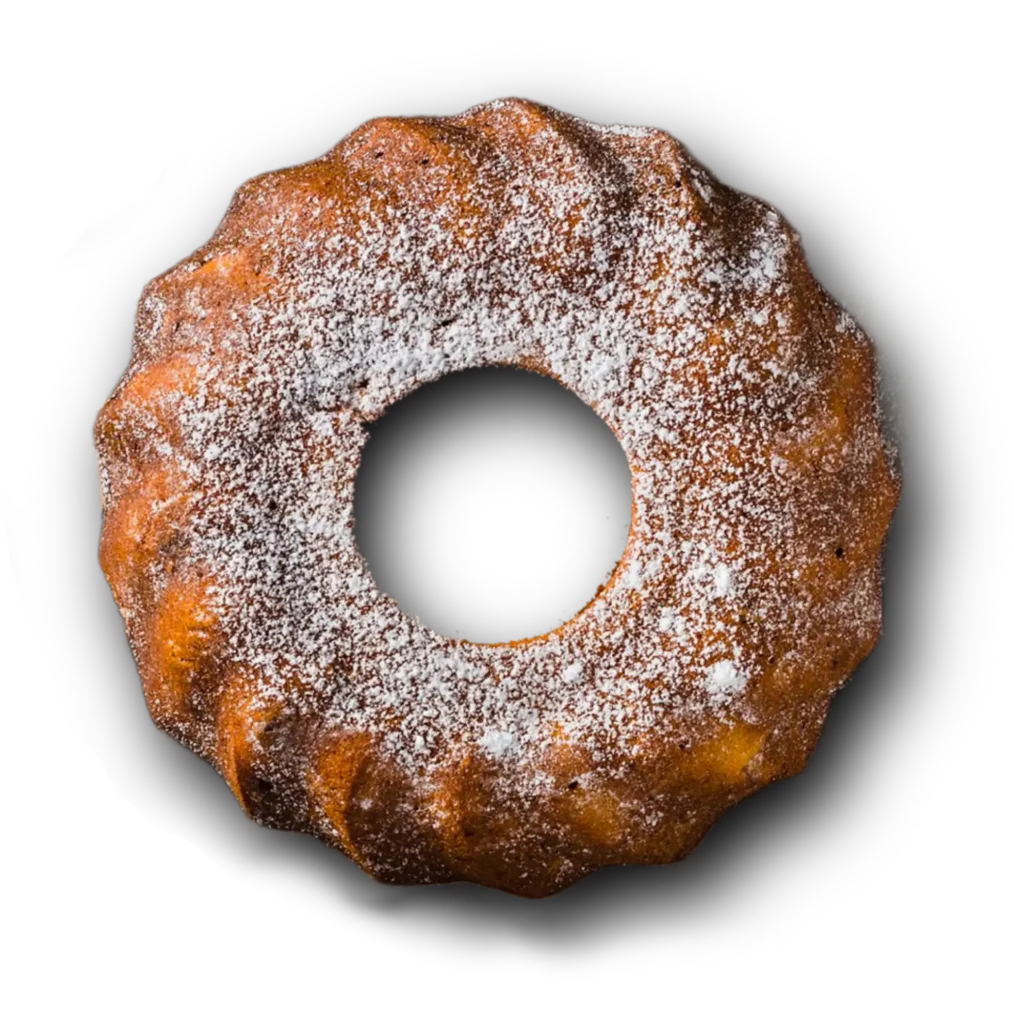
Potica
[pɔˈtiːt͡sa], also slovenska potica.
A traditional festive pastry from Slovenia.
Listen to the podcast story here.
Potica
Pause and scroll through the transcript to jump to specific parts.
Hey, everyone, welcome back
Ready to dive into something delicious today?
Always ready for a culinary adventure, what have we got?
Well, we're heading to Slovenia.
Ooh, Slovenia.
Beautiful country.
Exactly.
And today's deep dive is all about potica.
Potica.
Now that's a pastry that deserves some serious attention.
I know, right?
I mean, it's a rolled pastry.
Pretty simple in theory, right?
Well, yeah, I guess the basic idea is simple enough.
Dough filling, roll it up, but
But there's so much more to it.
Absolutely.
That's what we're going to uncover.
Like how potica went from, you know, just a pastry to, like, a symbol of Slovenian culture and heritage.
It's a classic example of how food can become so much more than just sustenance.
Okay, so first things first.
Potica is officially recognized as intangible cultural heritage in Slovenia.
Intangible cultural heritage.
Right, intangible cultural heritage.
Can you break that down for us?
Okay, so think of it like this, right?
It's all the traditions, the knowledge, the practices, all that stuff that gets passed down through generations.
Mhm, The stuff that makes a culture unique, you know?
Exactly.
So it's not just physical objects, right
It's the living, breathing soul of a culture.
Oh, I see.
So like music, storytelling, festivals.
Bingo.
And of course, food plays a huge role.
Food is definitely a big part of cultural identity.
It's a way of connecting to your roots, celebrating who you are.
So in the case of Potica, it's not just about, like, eating a delicious pastry.
Oh, no, it goes way deeper than that.
It's about the techniques, the recipes that have been, like, handed down over generations.
Absolutely.
Think about the way potica dough is rolled and layered.
You know, that technique that's been passed down through families for centuries, maybe even longer.
Wow.
It's that connection to the past that makes it so special.
You know, it makes me think about, like, my grandma's chicken noodle soup recipe.
Oh, tell me about it.
It wasn't just about the ingredients.
Right.
It was about the care, the love that she put into making it and that feeling of, like, warmth and comfort it brought to the whole family.
That's exactly what I'm talking about.
Food becomes a symbol because it evokes all these powerful memories and emotions.
And in Slovenia, potica is that symbol, right?
Absolutely.
It embodies their shared heritage, their cultural identity.
Okay, so we've established that potica is more than just a tasty treat.
Way more.
How else is it woven into the fabric of Slovenian life?
Well, first of all, you find potica everywhere.
It's in every bakery, every supermarket.
Really?
So it's like an everyday thing?
Oh, yeah.
It's a staple, something people enjoy regularly.
But it also has this incredible social aspect.
What do you mean?
Well, picture this.
Families gathering in the kitchen to bake potica together, right?
Everyone's pitching in, sharing stories, laughing as they work.
Oh, sounds lovely.
It is.
It's all about strengthening those family bonds, passing down traditions, creating those warm, fuzzy memories.
I can practically smell the baking potica now.
And then there's the artistic element.
Artistic?
Yeah.
Slovenian bakers, they take their potica very seriously.
They turn it into edible masterpieces.
They use all these intricate techniques to create the most stunning visual patterns on the pastry.
It's like it goes beyond being just food and becomes art.
So how do they showcase these amazing potica creations?
Oh, you know what? Competitions
Potica competitions.
Big-time bakers from all over the country come together to show off their best potica.
I can imagine that gets pretty competitive.
Oh, yeah.
The judges consider everything.
The taste, the texture, how creative the filling is, the intricacy of the decorations, the whole shebang.
Wow, they really take their potica seriously.
It's a testament to the passion and the respect they have for this pastry, for sure.
So it's clear that potica is a huge deal in Slovenia.
It's an institution.
But what about outside of Slovenia?
Is it gaining any traction internationally?
It is.
I mean, Slovenian food producers are really working hard to promote potica around the world, and it's starting to make appearances in international food festivals, you know, and gourmet markets.
Interesting, so people are starting to take notice.
Yeah, people are getting more adventurous with their food choices.
They want to explore different cultures.
And potica, with those unique flavors and its rich history, it's got a lot to offer.
That's so cool.
It's like food is becoming a bridge between cultures.
You got it.
People try potica, and they are not just tasting a pastry.
They are getting a taste of Slovenian culture and history too.
That brings us to the end of our potica deep dive.
Time flies when you are talking pastry.
So we learned that potica is so much more than just a pastry.
It's a symbol of intangible cultural heritage, a culinary tradition, a social ritual, an art form, and a source of national pride for Slovenia.
It's amazing how something that seems so simple can hold such depth and meaning.
Right, I mean, it really makes you think.
It does, it makes you wonder what other seemingly ordinary traditions in our own lives, you know, might have deeper meaning waiting to be uncovered.
Hmm, that is something to think about.
It can be a family recipe, a holiday tradition, maybe even just a favorite dish that, you know, triggers all those memories and connections.
Take some time to think about those traditions and what they mean to you.
Great advice, I might do just that.
You might be surprised by what you discover.
Thanks for joining us on this delicious deep dive, everyone.
See you next time.
Until next time.