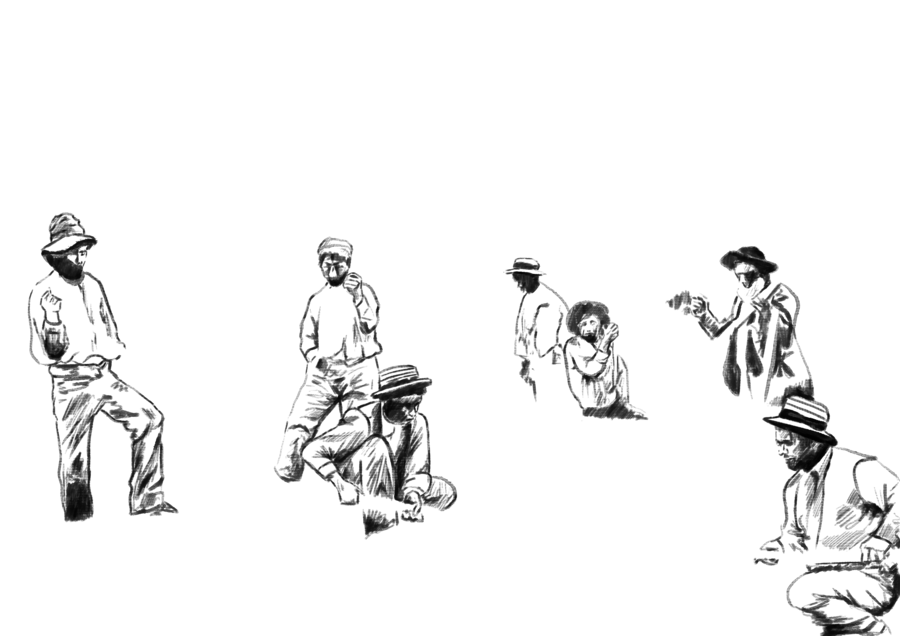
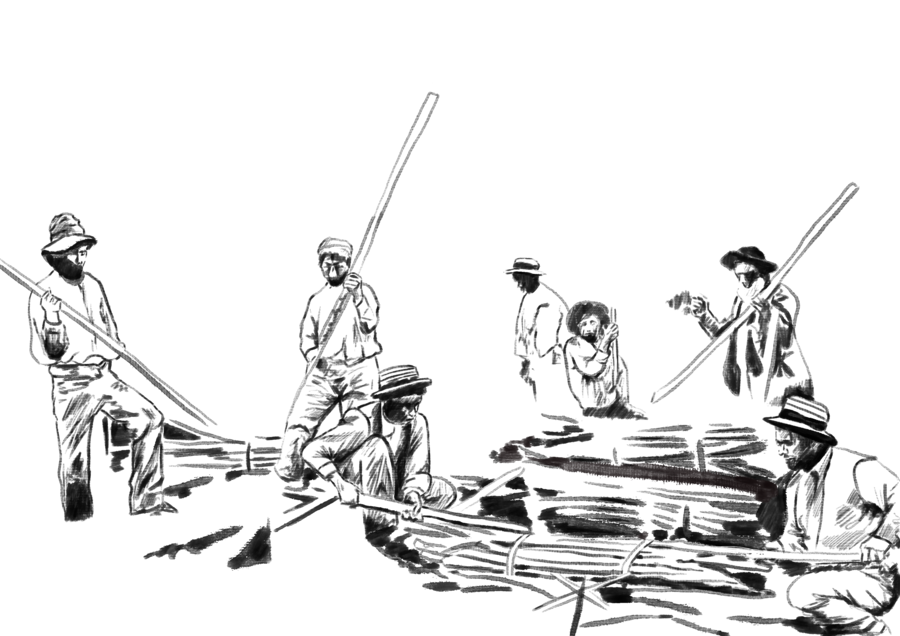
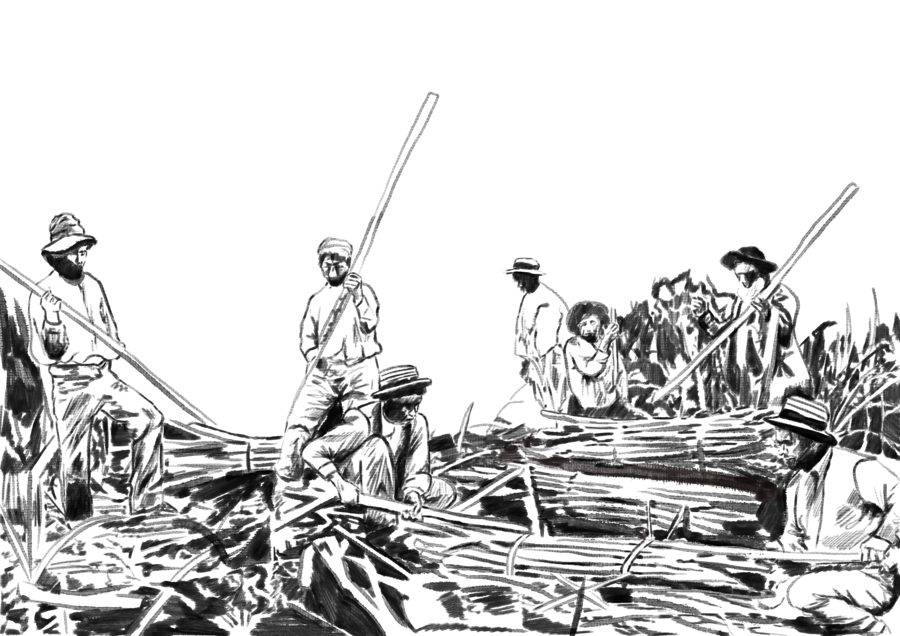
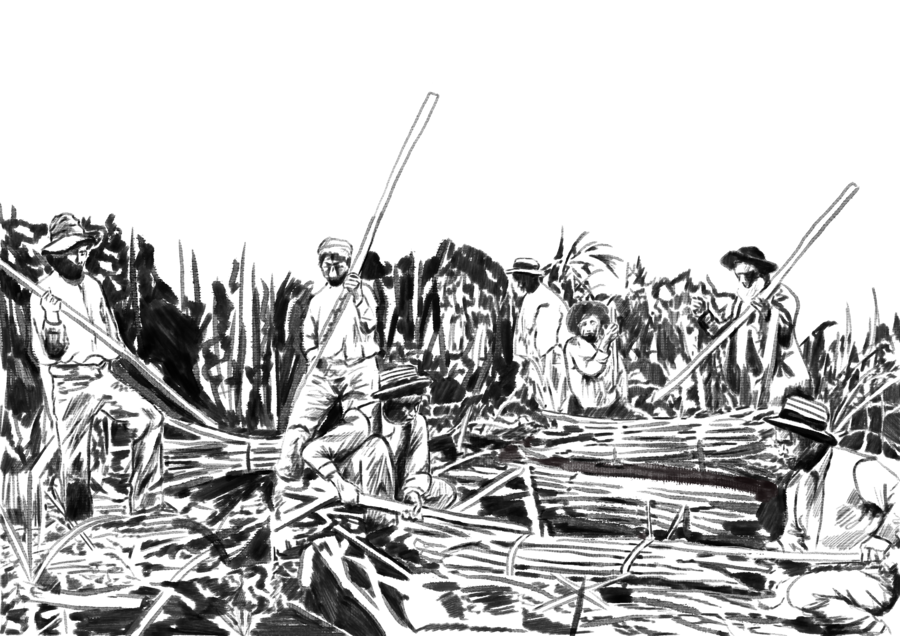
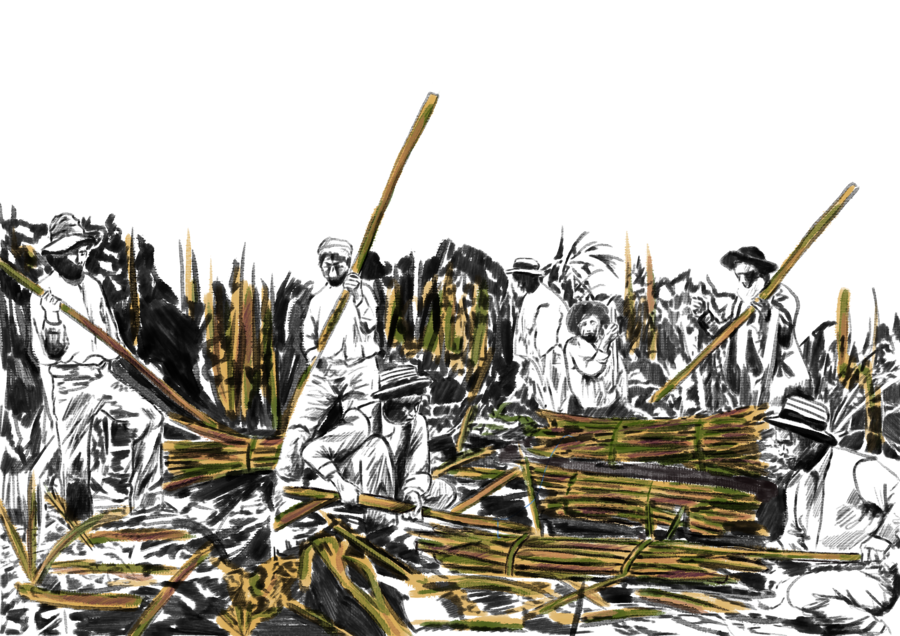
In the 15th century, sugar cane was introduced to Madeira from Sicily. It had a profound impact on the island's economy and society. Known as "white gold," sugar production demanded labour, infrastructure, and technology. Thanks to this, mills and ports were built in Madeira.
Sugar cane cultivation turned Madeira into a leading sugar producer. It also attracted European merchants, such as Italians, Basques, Catalans, and Flemish, who were drawn to the lucrative trade. The wealth from sugar fueled investments in arts and architecture. However, this prosperity came at a cost: North and Western African, Canarian, and even Indian slave labor was used, with slaves forming a portion of the population by the 16th century.
Sugarcane rum has always been an iconic product in Madeira, too. Even now ruins of historic sugar mills, such as the São Jorge Ruins, remain landmarks. Cultural festivals and the Sugar Museum in Calheta celebrate this history.
Sugar cane molasses (or "honey", as is known locally) is one of the key ingredients of Madeira cuisine. It gives all the recipes their distinct character. Famous Madeiran sweets include honey cake and broas de mel, traditional cookies made with sugar cane honey.
Sugarcane had a significant impact on Madeira, earning it the nickname 'Island of Sugar' in the 15th and 16th centuries. Madeira's sugar was so renowned that Christopher Columbus visited the island and married Filipa Moniz, daughter of Bartolomeu Perestrelo, captain-in-chief of Porto Santo, a key island in early colonization.