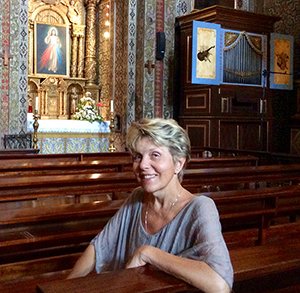
From Kyiv to Madeira:
The Influence of Ukrainian Classical Music
Play the video

In January 1995, I set foot on this island for the first time.
I came to Madeira to teach classical music. I was invited by students who visited Ukraine and were captivated by the level of our musical performance.
Initially, I planned to stay for just a year or two to earn some money.
But the love and support of my students made me stay much longer.
I found myself in a completely new world where every step was a challenge.
The first year was tough, I cried and thought, that's it.
I'll finish the school year and go back home.
But my students said, if you leave us, we will leave music.
It was deeply touching to feel how much they cared for me.
After that, I couldn't leave them.
Music also became my solace.
I could immerse myself in it until late at night.
In Madeira, I shared the music of my grandfather, Kyrylo Stetsenko.
The students listened to his "Liturgy", copied the sheet music, and I created arrangements of some parts of the "Liturgy".
We performed them alongside works by other Ukrainian composers at concerts.
It was unforgettable. My grandfather was not only a composer but also a priest and a teacher. He faced persecution by the Moscow regime, just like many other Ukrainian composers whose Ukrainocentric activities stood against the totalitarian system by preserving, developing, and spreading Ukrainian musical art.
His works had a great impact on me. And now my background and training in Ukrainian classical music have influenced my teaching methods and performances on the island.
This collaboration started with young Madeira musicians travelling to Kyiv and inviting me and other Ukrainian artists to come here.
Ukrainian musicians brought new energy to Madeira's orchestra, elevated the standard of teaching, and helped reveal the talents of many students. This is the legacy of Ukrainian musical culture—dedicated, creative, and committed to nurturing future generations—that will endure for years to come.
Halyna Stetsenko
Галина Стеценко
Musician & Music Professor
" This enduring legacy of Ukrainian musical culture dedicated, creative, and deeply committed to nurturing future generations-will continue to flourish for years to come